



The Context
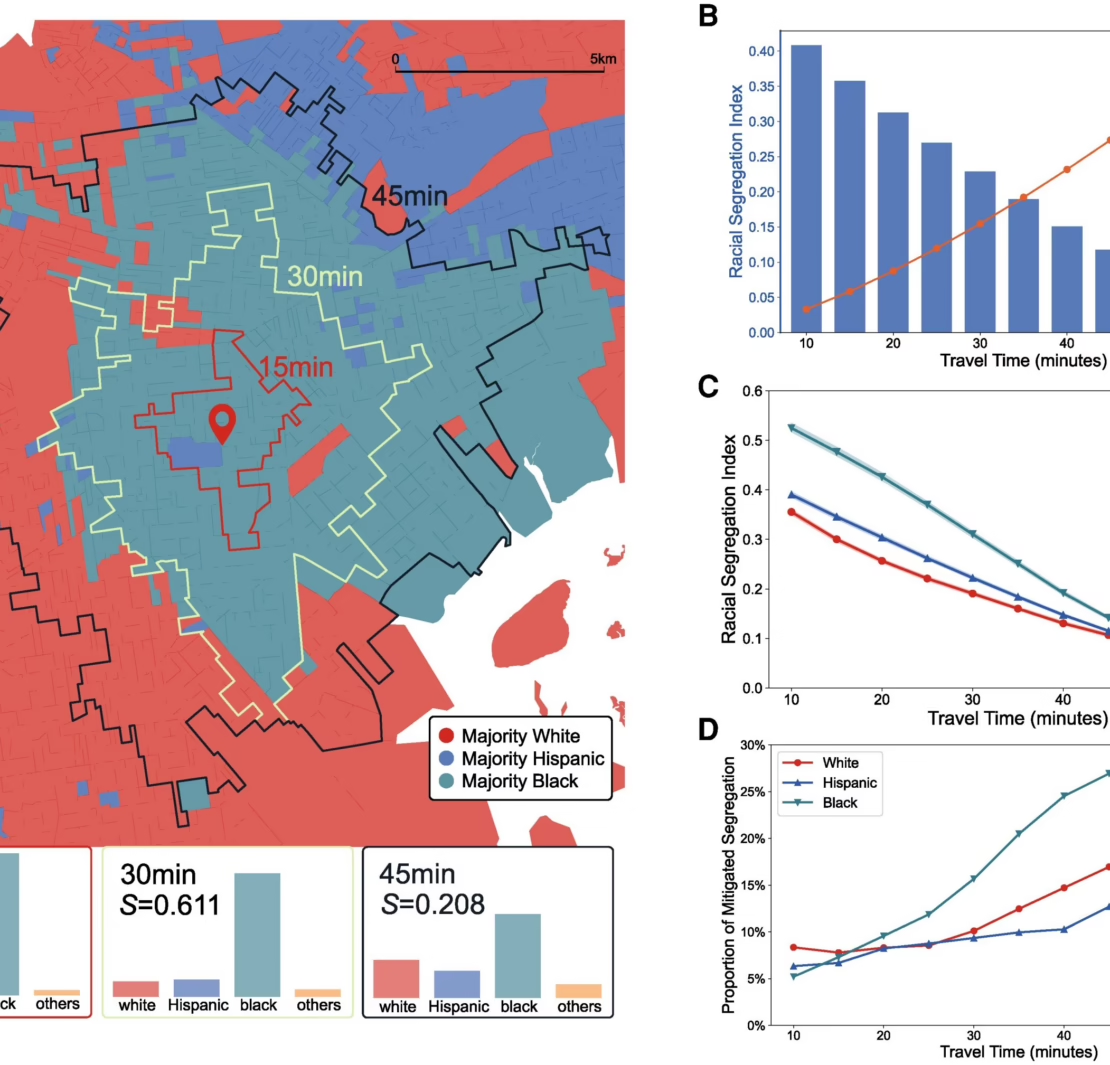
Transit inequity isn’t anecdotal—it’s now GPS-mapped at the route level. The study confirms what communities have reported for years: infrastructure investment follows wealth, and job access by transit remains sharply stratified by race. For Hispanic and Black neighborhoods, fewer direct lines and longer commutes translate into narrower labor markets and lower lifetime earnings.
The Takeaway
If your company relies on transit-dependent talent pools in New York—retail ops, healthcare staffing, service chains—this data explains why your recruiting radius is smaller in certain ZIP codes and why turnover spikes when bus routes get cut. Boards approving real-estate or workforce strategies in metros with similar transit patterns (Chicago, LA, DC) should demand mobility-equity assessments before committing capital. The neighborhoods your talent comes from may not have the infrastructure you assume they do.
HE News combines AI-assisted research with editorial curation from Hispanic Executive to deliver clear, relevant insights on the stories shaping leadership and business today.
Source: Phys