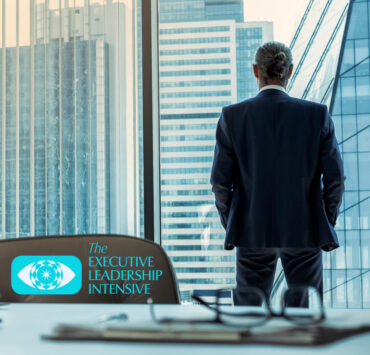

For years, the executive headshot followed a familiar formula: neutral background, formal wardrobe, controlled smile, minimal risk. It signaled competence, but not necessarily much personality.
In 2026, that standard is changing. In a business environment shaped by LinkedIn, hybrid work, company websites, speaker pages, and digital press, an executive portrait is no longer just a placeholder image. It is part of how leadership is interpreted before a conversation even begins. LinkedIn says a profile photo is a key element of personal brand, and its own guidance notes that profiles with a picture are far more likely to be viewed. Microsoft, meanwhile, continues to frame modern work as fundamentally hybrid and digitally mediated.
The Headshot Has Moved from Formality to Strategy
That shift matters because executive presence now travels across platforms. A portrait may appear on LinkedIn, in a board announcement, on an investor-facing website, in a conference program, and in internal communications—all in the same week.
LinkedIn’s guidance has become more revealing over time. An older official LinkedIn benchmark said members with a photo receive 21 times more profile views and 9 times more connection requests. Its newer talent guidance still makes the same point in updated language: simply having a picture makes a profile 14 times more likely to be viewed by others. In both versions, the message is the same: the image is not cosmetic. It is discoverability.
Authenticity Now Carries More Weight Than Polish Alone
The strongest executive headshots in 2026 do not look careless, but they also do not look overly manufactured.
That broader cultural move is visible across visual research. Getty Images’ VisualGPS work found that 98 percent of consumers agree that authentic images and videos are pivotal in establishing trust, while nearly 90 percent want transparency when AI is involved. Adobe reported similar skepticism: 93 percent of consumers say it is important to understand how digital content has been created or edited, and 74 percent say they have doubted the authenticity of photos or videos even on reputable news sites.
For executive portraiture, that creates a new standard. Retouching is still normal. Good lighting still matters. But the image has to feel like the person who will walk into the room tomorrow. LinkedIn’s own profile-photo guidance explicitly says that point matters for credibility: use a recent image that reflects how you actually look.
Why Stiff Corporate Portraits Are Giving Way to More Context
One of the clearest professional headshot trends this year is the move away from anonymous studio uniformity and toward portraits with context.
That does not always mean a dramatic environmental photo. Sometimes it is as subtle as softer posture, more natural expression, or a setting that hints at the executive’s world instead of erasing it. The broader visual culture is moving in that direction too. Getty’s 2026 trend analysis says consumers increasingly want visuals that feel personal, specific, and rooted in real lived experience. Canva’s 2026 design trends report reaches a similar conclusion from a different angle, describing a growing preference for work that feels raw, honest, and less obsessed with perfection.
For leaders, that means a portrait can now communicate not just rank, but style of leadership. Founder. Operator. Strategist. Public-facing executive. The best images do not abandon authority; they make it legible.
Visual Authority Still Matters—But It Looks Different Now
None of this means executive portraits have become casual. Authority still matters, especially in a trust-sensitive workplace. Edelman’s 2024 Trust at Work report found that “my employer” remains the most trusted institution among employees, ahead of business, NGOs, government, and media. In that kind of environment, leadership visuals are part of a larger trust system.
What has changed is the visual language of authority. In 2026, authority looks less like distance and more like clarity. Less like image control and more like self-awareness. Less like perfection and more like alignment.
The Bottom Line
The modern executive headshot is no longer just a professional courtesy. It is a leadership asset.
In a digital-first business world, the image has to do more than prove you are polished. It has to signal that you are credible, current, and real. The leaders getting this right are not chasing photography trends for their own sake. They are using portraiture to close the gap between reputation and reality.
That is what executive presence looks like now.